Best Majestic Deck Builders Austin for Trex Decks
Long-Lasting Deck Solutions: Discover the Finest in Outdoor Living
Resilient decking options provide a reliable way of improving exterior living areas. When opting for durable outdoor materials, property owners can attain both elegance and durability. Various options exist, each with unique benefits and aesthetic qualities. Assessing environmental factors and care demands is vital during the planning and selection phase. As one explores the possibilities, turning an outside zone into a personal haven becomes progressively within reach. Discover how to make informed choices for lasting enjoyment.
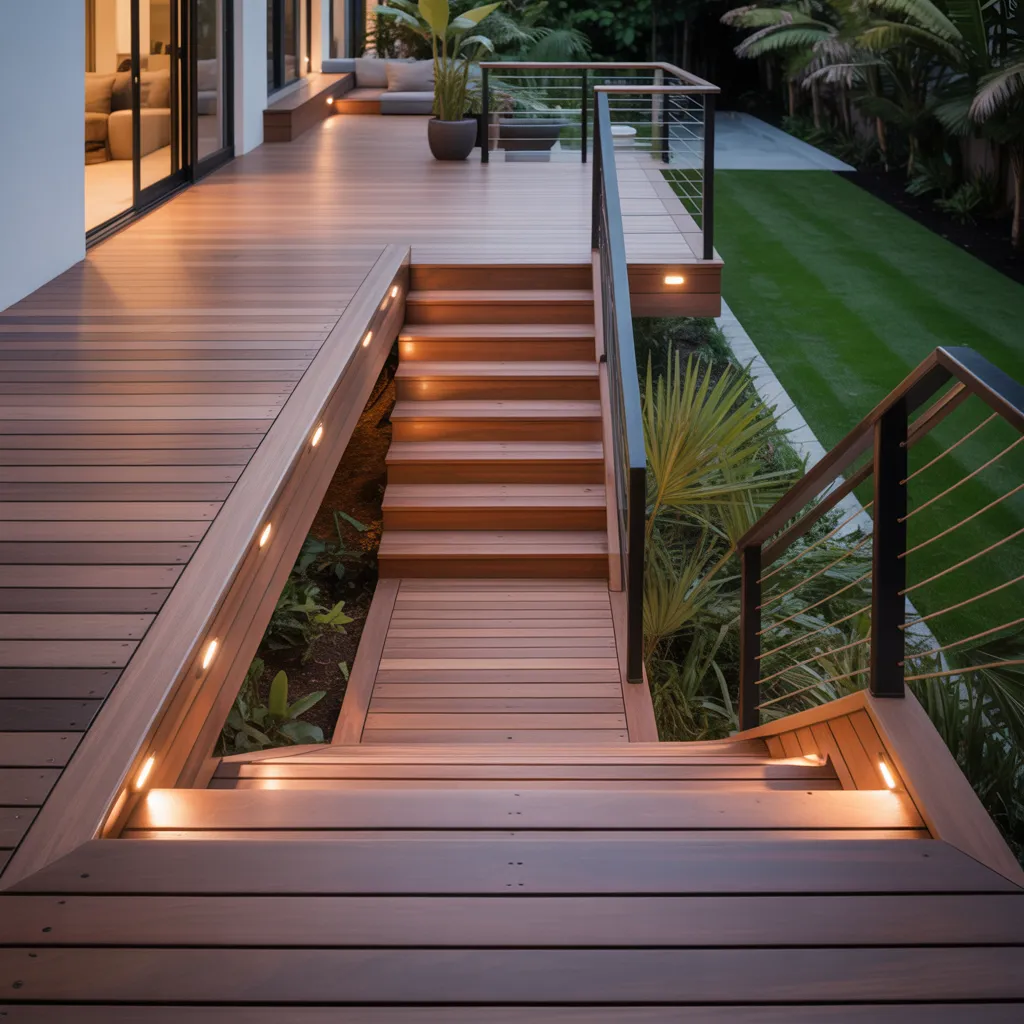
What Makes Durable Deck Materials the Right Choice for Your Outdoor Space?
When considering an exterior area, the decision of long-lasting decking materials is crucial, as they not only enhance aesthetic appeal but also assure longevity. Durable materials, such as PVC, hardwood, and composite decking, withstand the elements, minimizing the need for frequent repairs or replacements. This robustness assures that the outdoor space stays functional and visually appealing over time.
Additionally, investing in durable decking can result in long-term economic advantages. Homeowners are able to bypass the expenses associated with routine servicing, such as staining or sealing, that are often required with lower-quality materials. Moreover, the sustainability factor of investing in environmentally responsible choices, like responsibly sourced hardwood or recycled composites, should not be underestimated. These choices result in a diminished carbon footprint while providing a gorgeous and enduring outdoor space. Ultimately, selecting durable deck materials improves not just the enjoyment of outdoor areas but also the overall value of a property.
Innovative Ideas to Upgrade Your Outdoor Environment
To elevate outdoor spaces, thoughtful design choices can create a lasting difference. Innovative color combinations can change the ambiance, while practical furniture arrangements provide both ease and functionality. Collectively, these features can turn any deck into a comfortable haven.
Color Palettes That Inspire
Which colors have the power to turn an outdoor area into a captivating sanctuary? A range of soft natural tones, like sandy beiges and muted greens, can cultivate a tranquil setting that complements the natural surroundings. In contrast, vivid blues and warm yellows can revitalize the space, delivering a dynamic counterpoint to rich green surroundings. Incorporating rich, warm hues like deep terracotta or rustic reds can add depth, making the area feel cozy and inviting. For a modern touch, consider monochromatic schemes with varying shades of gray, accented by bold splashes of color through accessories. At its core, the ideal color combination not only boosts aesthetic value but also affects the overall mood, fostering relaxation and delight in outdoor living spaces.
Functional Furniture Arrangements
Designing a thoughtfully structured furniture setup can greatly enhance the functionality and aesthetic appeal of an outdoor space. As a starting point, clustering seating zones encourages interaction, while incorporating a mix of chairs, benches, and loungers suits a range of tastes. Furthermore, positioning a dining table close to the kitchen or grill guarantees convenience during meals. Incorporating versatile pieces like storage ottomans or foldable tables maximizes space efficiency. Adding layered rugs helps delineate distinct zones, adding depth and warmth. Moreover, weaving in plants and ornamental details can ease harsh textures and cultivate a more hospitable setting. In the end, a thoughtfully designed furniture configuration not only improves usability but also transforms the outdoor area into a stylish extension of the home, promoting rest and pleasure.
Premium Deck Materials Built for Long-Term Durability
When selecting deck materials, three main options emerge for their remarkable strength and lasting quality. First, composite decking blends natural wood fibers and recycled plastics, offering resistance to moisture, rot, and insects. This mixture not only limits maintenance needs but also provides an appealing aesthetic. Second, PVC decking, constructed entirely from synthetic components, is unaffected by water and stains, providing lasting performance without the necessity of sealing or painting. Its vibrant colors and textures maintain their appeal over time. To conclude, premium hardwoods like Ipe and Teak are known for their remarkable strength and built-in resistance to environmental conditions. These robust woods are capable of enduring high foot traffic and severe weather conditions, making them a premium choice for discerning homeowners. Overall, each of these materials delivers individual benefits, allowing individuals to choose based on their specific needs and preferences for outdoor spaces and living areas.
Key Maintenance Tips to Extend the Life of Your Deck
Maintaining a deck is crucial for guaranteeing its lifespan and attractive appearance. Regular cleaning is a fundamental step; debris, leaves, and dirt should be removed to stop the spread of mold and mildew. Employing a light soap solution alongside a soft-bristle brush can preserve the surface's cleanliness without resulting in damage.
Sealing the deck every one to three years is vital. This barrier shields consult this source the wood from moisture and UV exposure, helping to maintain its strength and appearance. Moreover, routinely examining the deck for unsecured boards, rusted fasteners, or visible wear ensures that repairs can be made in a timely manner before damage progresses.
It is equally important to be cautious about placing bulky outdoor furniture in a single position over prolonged stretches of time, as doing so can lead to pressure marks and indentations. Additionally, placing furniture pads beneath items works to spread the weight uniformly, minimizing pressure on the deck surface. By adhering to these maintenance guidelines, homeowners can greatly extend the life of their outdoor living spaces.
Selecting Decking According to Your Climate
Choosing the ideal decking material is essential, especially since climate can greatly affect its long-term durability. In regions with elevated moisture levels, such as seaside locations, materials like composite boards may be a better choice due to their durability against mold and deterioration. In contrast, dry climates can lead to increased sun exposure, making natural hardwoods like ipe or teak suitable choices, as they inherently resist sun damage.
In colder climates, cycles of freezing and thawing can damage decking materials. In such environments, treated wood or composite options engineered for harsh conditions can ensure long-lasting performance. Moreover, locations susceptible to significant rainfall may find value in slatted decking or elevated structures to maintain effective water drainage.
Overall, understanding regional weather conditions can guide property owners in selecting materials that will not only enhance the visual appeal but also stand up to the test of time, ensuring a beautiful and functional outdoor living area.
How to Plan a Budget for Your Dream Deck
When designing an ideal deck, precise budgeting is vital. Individuals should begin by evaluating their financial goals, determining material pricing, and considering labor fees. This structured approach guarantees a realistic and achievable deck project.
Evaluate Your Financial Goals
How can one effectively budget for a dream deck that meets both aesthetic desires and financial realities? To begin, establishing clear financial objectives is essential, deciding how much funding can be reasonably dedicated to the project without affecting other financial responsibilities. Establishing a range helps avoid overspending and allows for adjustments as needed. Subsequently, available funding sources including savings accounts, personal loans, or home equity lines should be thoroughly examined to determine financial capacity. Additionally, prioritizing features can help identify must-haves versus nice-to-haves, guaranteeing that the most important aspects are funded first. Regularly reviewing and adjusting the budget throughout the planning phase guarantees alignment with financial goals, ultimately leading to a successful and satisfying outdoor living space.
Assess Material Costs
Planning the finances for an ideal deck necessitates a careful assessment of material pricing, which is an essential step in ensuring the project stays within financial limits. Homeowners are encouraged to start by investigating the range of available building materials, including wood, composite, and PVC. Each material has varying price points, durability, and maintenance requirements. Determining the complete square footage of the deck is necessary to identify the total volume of materials needed. Additionally, considering factors such as railing, stairs, and finishes will influence the total expenses. Obtaining estimates from nearby suppliers can give a better overview of projected expenditures. Through consolidating these figures, homeowners can effectively budget for their dream deck, balancing their aspirations with budgetary constraints and preventing unforeseen financial burdens throughout the project.
Consider Labor Expenditures
Labor costs are a major factor of the overall budget when planning a dream deck. It is important for homeowners to account for both direct and indirect expenses when working with contractors. Direct expenses cover the pay rates of experienced workers, whereas indirect costs can include liability coverage, building permits, and tool rentals. It is essential to obtain multiple quotes from contractors to guarantee competitive pricing. Additionally, understanding the scope of the project will help in accurately estimating labor time and costs. DIY options can reduce expenses, but they require careful assessment of skill levels and time commitment. In the end, properly accounting for labor costs enables homeowners to establish a practical financial plan, making sure their dream deck is both beautiful and financially feasible.
Transforming Your Backyard: Real-Life Deck Makeovers
A growing number of homeowners have experienced the transformative power of deck makeovers, turning ordinary backyards into stunning outdoor retreats. Most of these undertakings commence with a clear vision, whether it's creating a serene space for relaxation or an energetic space for hosting gatherings. Actual projects demonstrate a wide range of designs, from modern composite materials to rustic wood finishes, every one crafted to reflect the homeowner's unique taste.
One standout renovation involved a small, neglected deck that was expanded and redesigned with various levels, incorporating custom seating and atmospheric lighting. Another project featured a complete overhaul, replacing old wood with durable, low-maintenance materials, improving both usability and aesthetics.
Landscaping furthermore fulfills a critical purpose, with strategic plant placements and lighting enhancing the overall ambiance. With a dedication to intentional design and superior materials, homeowners are doing more than simply improving their decks; they are building tailored outdoor havens that embody their personalities and desires, elevating the entire backyard experience.

Questions We Often Receive
What Environmental Effects Do Various Decking Materials Have?
Various decking options have distinct environmental consequences. Wood decking plays a role in deforestation, while composite materials often contain recycled plastics, minimizing landfill waste. Furthermore, concrete carries a high carbon footprint, affecting overall sustainability in outdoor environments.
How Can I Improve Safety on My Deck?
To increase safety on a deck, one should apply non-slip surfaces, install sturdy railings, provide sufficient lighting, periodically assess for structural integrity, and keep the space free of clutter to minimize accidents and injuries.
Are Financing Options Available for Decking Projects?
Several deck contractors make available financing options, including installment plans or arrangements with financial partners. These options can allow property owners handle expenses efficiently, empowering them to secure premium materials and experienced installation for their outdoor deck projects.
What Permits Do You Need for Deck Construction?
Building a deck generally necessitates building permits, zoning approvals, and sometimes environmental assessments. Regional rules and requirements vary, so it's essential for homeowners to consult their municipality to confirm full compliance with relevant legal obligations prior to starting construction.
How Do I Choose the Right Contractor for My Deck?
To identify the right specialist for a deck, homeowners should research credentials, examine feedback, review bids, check insurance, and assess communication skills. Confirming alignment with the project goals is essential for a successful collaboration.